

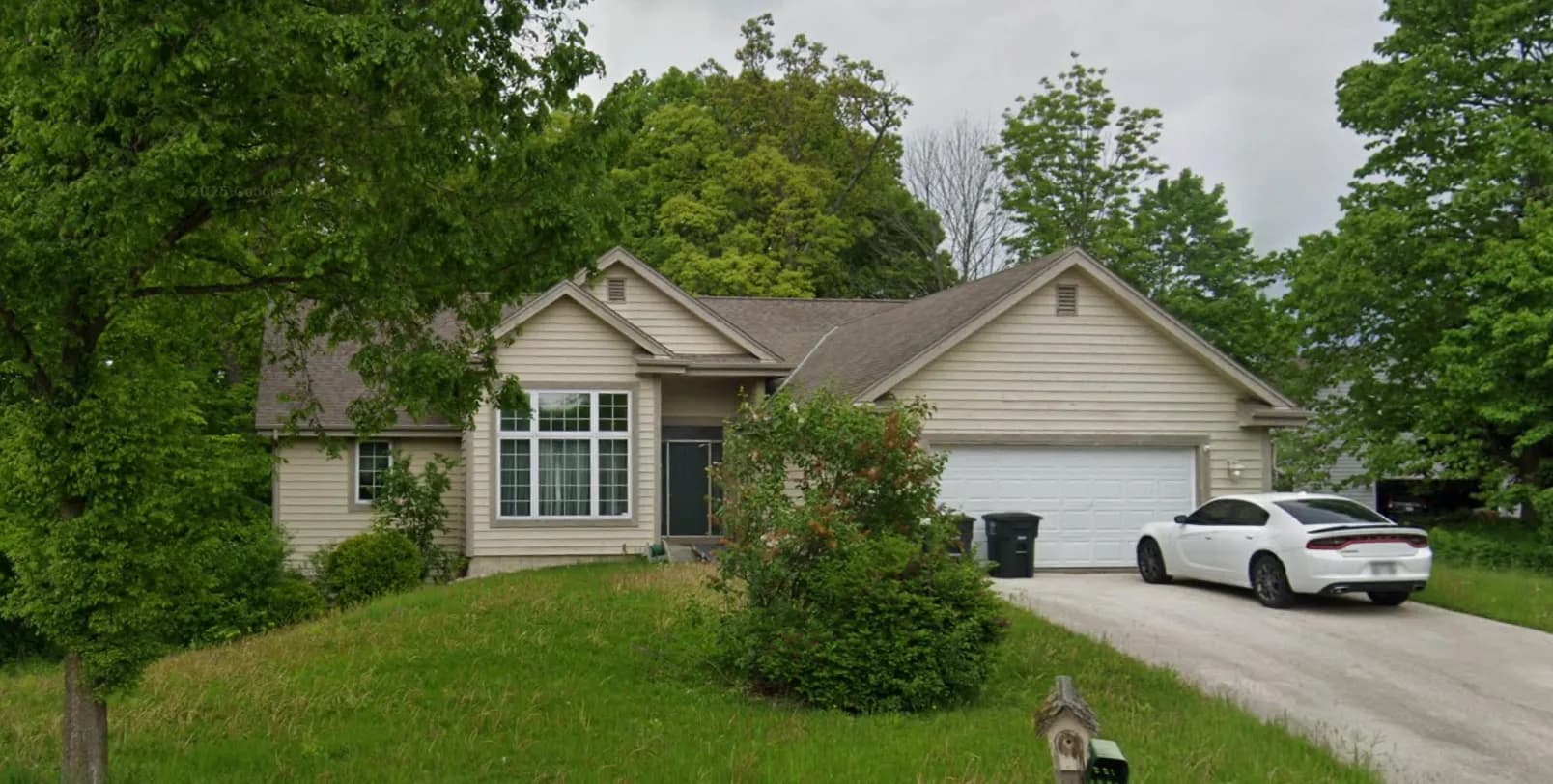
If you've inherited a Wisconsin property and want to sell it, your first question is usually: do I need to go through probate? The answer depends entirely on how the property was titled, and it matters a lot for your timeline.
What is probate?
Probate is the court-supervised process of settling a deceased person's estate: validating their will (if there is one), paying debts, and distributing assets to heirs. In Wisconsin, probate is administered through the circuit court in the county where the deceased lived.
Does this property need to go through probate?
Whether probate is required depends on how the property was titled:
- Sole ownership with no TOD designation: Probate is almost certainly required before you can sell.
- Transfer-on-Death (TOD) deed: Wisconsin allows TOD deeds, which transfer the property directly to named beneficiaries at death, no probate needed. You'll need to file an affidavit of surviving beneficiary.
- Joint tenancy with right of survivorship: Property passes automatically to the surviving owner. File an affidavit of surviving joint tenant with the county register of deeds.
- Living trust: Property held in a properly funded revocable trust passes to beneficiaries without probate.
- Community property with right of survivorship: Wisconsin is a community property state; surviving spouses may be able to avoid probate.
If you're not sure how the property was titled, pull the deed from the county register of deeds. It will show the exact ownership structure.
How long does Wisconsin probate take?
Simple estates can be settled in 3 to 6 months. Complex estates with contested wills, multiple creditors, or disputed assets can take a year or more. During probate, the estate's personal representative (sometimes called an executor) manages the property and can authorize a sale with court approval.
Selling during probate
You don't necessarily have to wait for probate to complete before selling. The personal representative of the estate can petition the probate court to approve the sale. Courts generally approve sales that are in the best interest of the estate, especially if carrying costs (property taxes, insurance, maintenance) are eating into the inheritance.
Selling to a cash buyer during probate can simplify things: there's no financing contingency to worry about, no appraisal requirement, and a faster close reduces holding costs.
What if there are multiple heirs?
In Wisconsin, all heirs with an ownership interest generally need to agree to a sale. Disagreements among heirs can delay or block a sale. If an heir refuses to sell, the other heirs can petition for a partition action, where a court orders the property sold and the proceeds divided.
This is a last resort. Most heir disputes are resolved with clear communication and, when needed, a neutral third party. We've worked with many families in this exact situation.
Costs to know about
- Probate filing fees: Vary by county, typically $100 to $300 plus publication costs
- Attorney fees: Wisconsin allows attorneys to charge either hourly or a percentage of the estate value
- Personal representative compensation: Wisconsin law allows reasonable compensation
- Property carrying costs: Taxes, insurance, and maintenance continue during probate
Inherited a Wisconsin property?
AJ Vermiglio
Co-Founder, Home Closing Pros, Milwaukee, WI